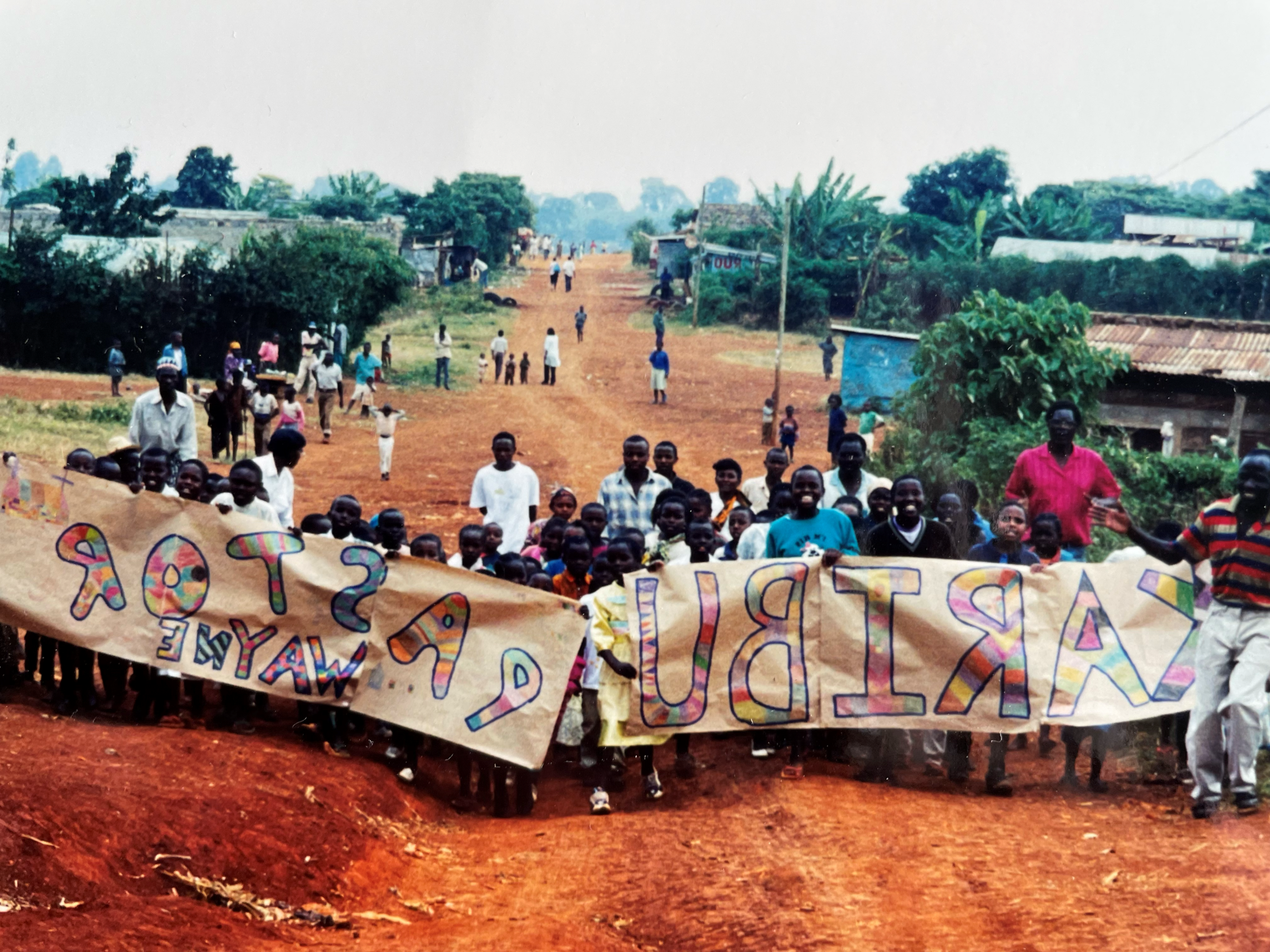
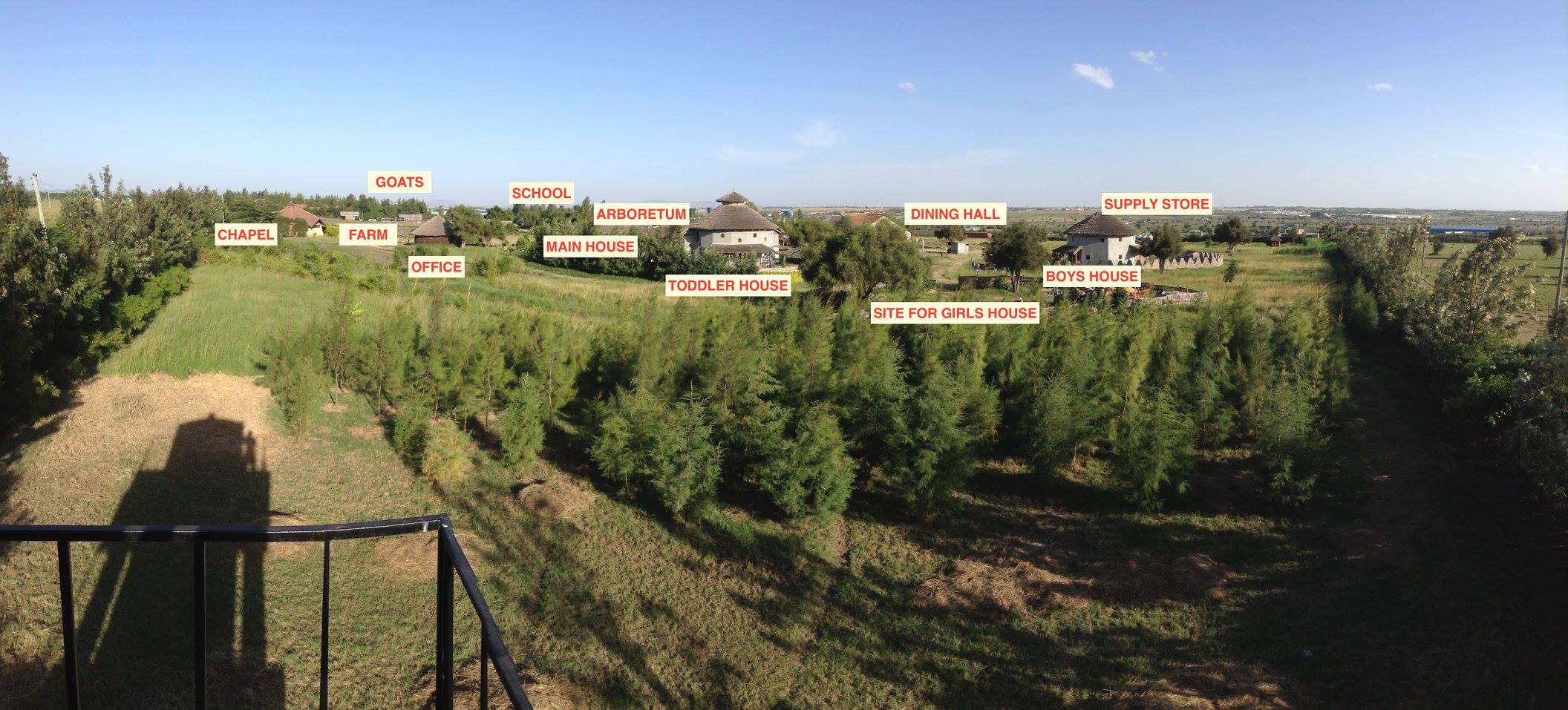
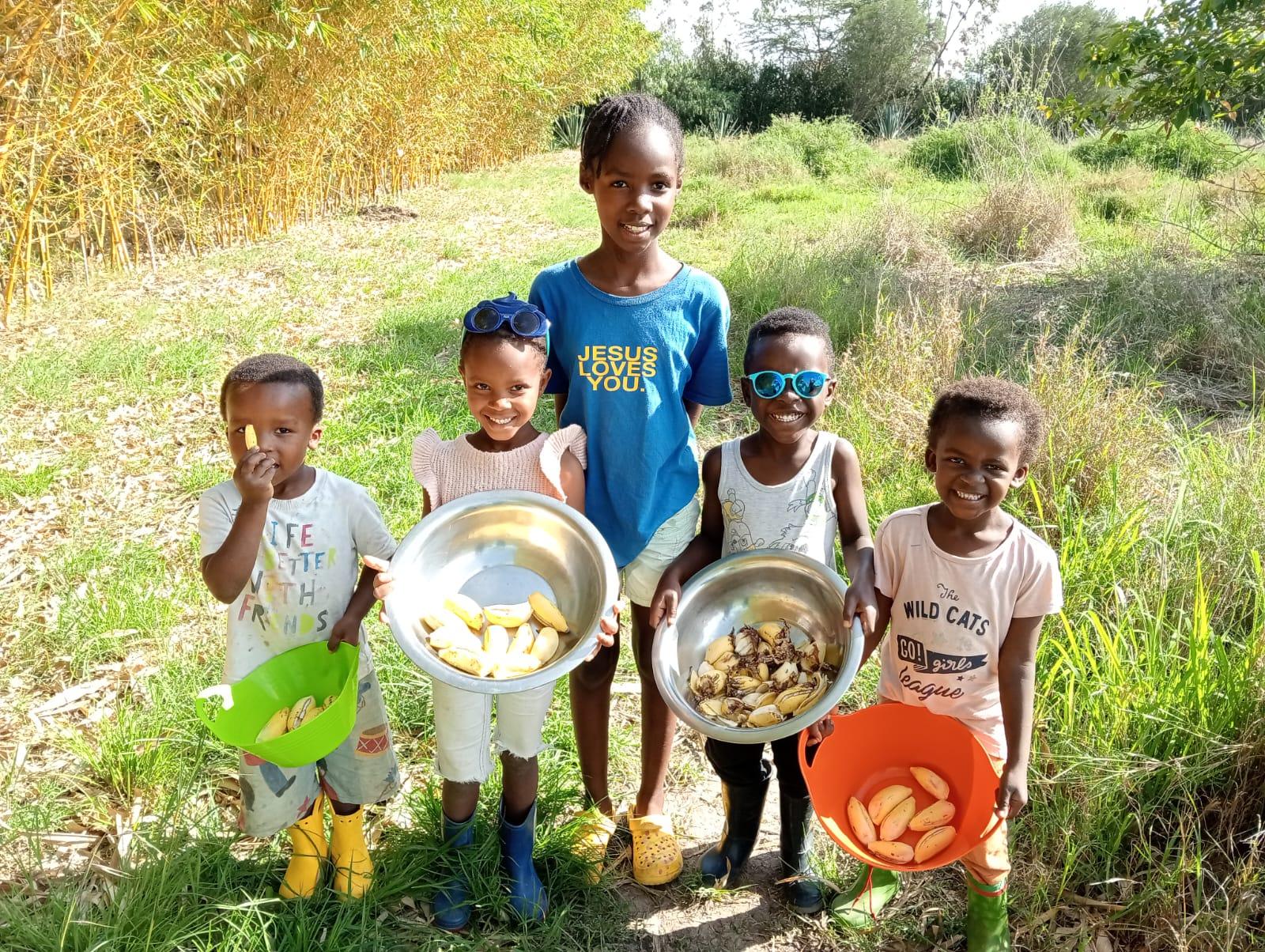
In 1997, Bonnie and Chuck Ness came to the church my father pastored to share about the school they were developing in Kenya. Our families had been woven together since before I was born, and by then Bonnie and Chuck...
In 1997, Bonnie and Chuck Ness came to the church my father pastored to share about
the school they were developing in Kenya. Our families had been woven together since
before I was born, and by then Bonnie and Chuck had served in Kenya for thirty years. I
have a confession about those visits: whenever Bonnie came to speak, I would make
myself busy — or scarce. I knew all too well what her stories of the children did to my
heart, and I wasn’t ready to let them in.
But this time her sisters had come along, and I didn’t want to miss them. So, I stayed.
And somewhere between a piece of pizza and a short talk, Bonnie looked at me and
personally invited me to Kenya.
“Maybe I’ll come visit you in the fall,” I told her. September, October, November —
something like that. I’d see how they were doing and have a new experience.
I went in September, intending to stay thirty days. I had one requirement of my own: I
wanted to truly live among the people, not observe them from a distance. So, I packed a
tent and pitched it inside a compound in called Julima in a slum named Jua Kali — scant
housing for the children who lived there, and a single room where untrained teachers
showed up to give those children whatever they could with whatever was available.
Bonnie was helping with education, food, and clothing, but what I found was hard to
swallow. There was no path for these children to move in any positive direction. Some of
them had been abused. Those first three weeks were the most difficult.
And yet — amidst what felt like hopelessness, heartbreak, and helplessness — there was
laughter outside my tent. The kids themselves: running, screaming, giggling, sweating
through their games. I listened to the rhythm of their lessons — languages repeated,
math equations chanted, songs of hope rising out of that little room. I watched them
build clever toys from scraps and garbage gathered off the ground. These were bright-
eyed, beautiful children, and it struck me that they might carry the change needed not
only for their country, but for the world.
But they had never been beyond the tin walls that blocked their view of the futures
awaiting them. They had never left the slum where they lived. I kept saying it out loud:
somebody must help these kids. They need to get out of here and see what is possible for
their lives. What chance did they have to see it?
I did not see a solution.
Then one night I woke in the dark with the question still ringing: who is going to do
this? And I thought to myself, what are you thinking, Becky? But it is the same for all of
us, isn’t it — if you’re the one asking the question, then the answer must be with you too.
Lying awake that night, I began to work out what the answer would require. It meant
letting go of everything I owned. I had horses, dogs, cats, birds — where would they go?
It meant selling whatever I had, because I had no income substantial enough to care for
these children. I didn’t know what to expect. I only knew I was committed to making a
difference — at the very least, to offer some hope, some path beyond the only life these
children could see. That last week became a quiet process of letting go. Before I
departed, I told Bonnie and Chuck that I would be steadfast: I was coming back.
When I came home, I waited two weeks before I spoke to my father. Then I walked into
his office at the church on the hill and said, “I need to talk to you. I think I’m going back
to Kenya — and I think I’m going to stay. I need to see if there is something I can bring
to the children that will be truly meaningful. It doesn’t have to be meaningful to anyone
else. But it could be to these children.”
He was quiet for a moment. Then he said, “Well — when are we going to tell your mom?”
So, we shared it with the family. I wrote down everything that had to be sold and settled,
and then I did it. Eight months later, I was landing in Kenya with two suitcases.
That was May of 1998, and the first year tested everything. Within my first weeks back, I
contracted cerebral malaria. Just as I was healing miraculously, then in August 1998, the
bomb blast tore through the U.S. Embassy in Nairobi, and I joined the IRC in its
aftermath — a digger on the lines of the rubble. Then in November, came the container
from home, packed with everything that had been donated. I still had no true sponsors;
no circle of people yet committed to the work — just prayer for provision. I unloaded it
all into a rented house I found not far from Bonnie and Chuck.
I didn’t bring the children in right away. First, I went to where they were — and there I
learned what had happened to some of the girls.
That settled it.
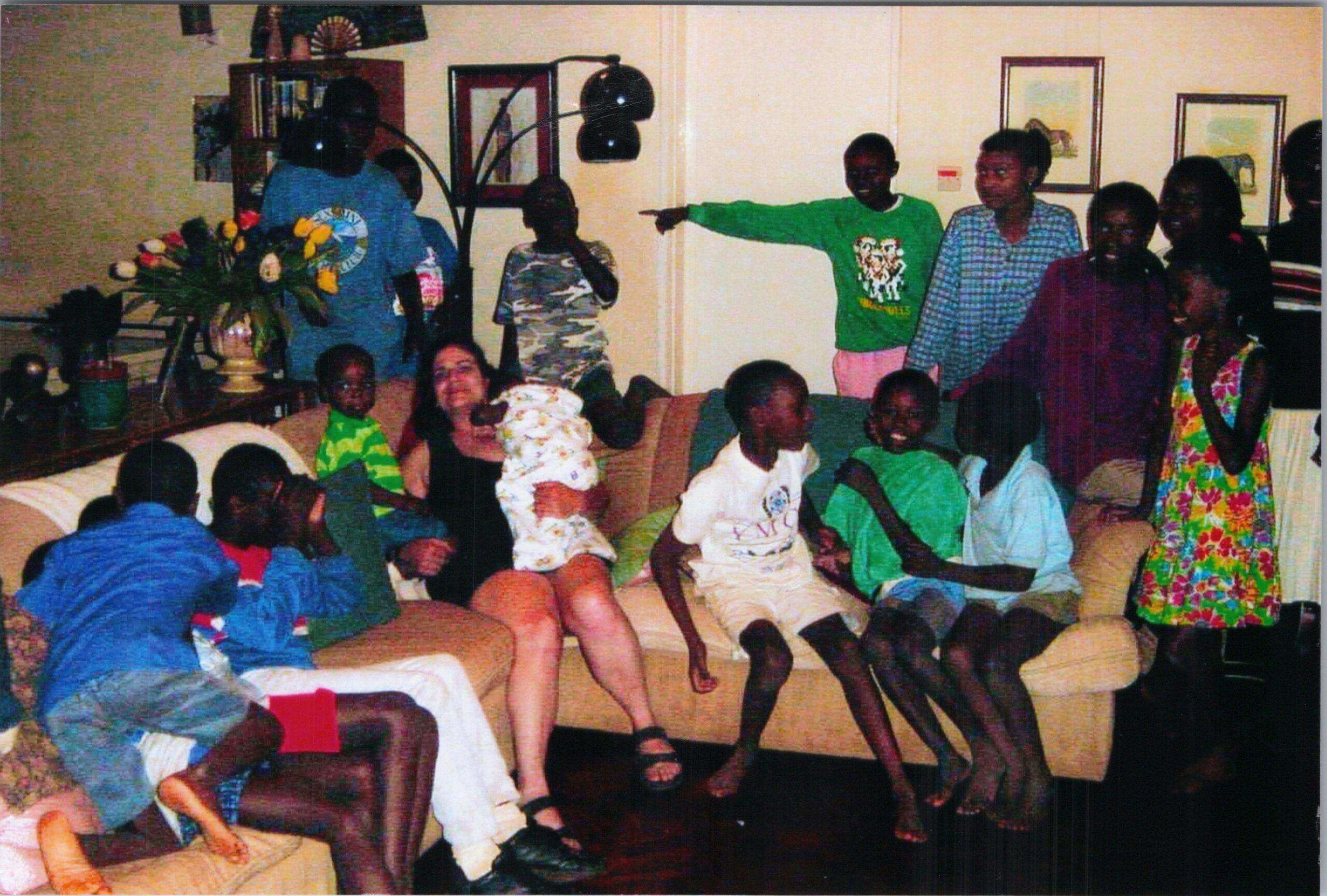
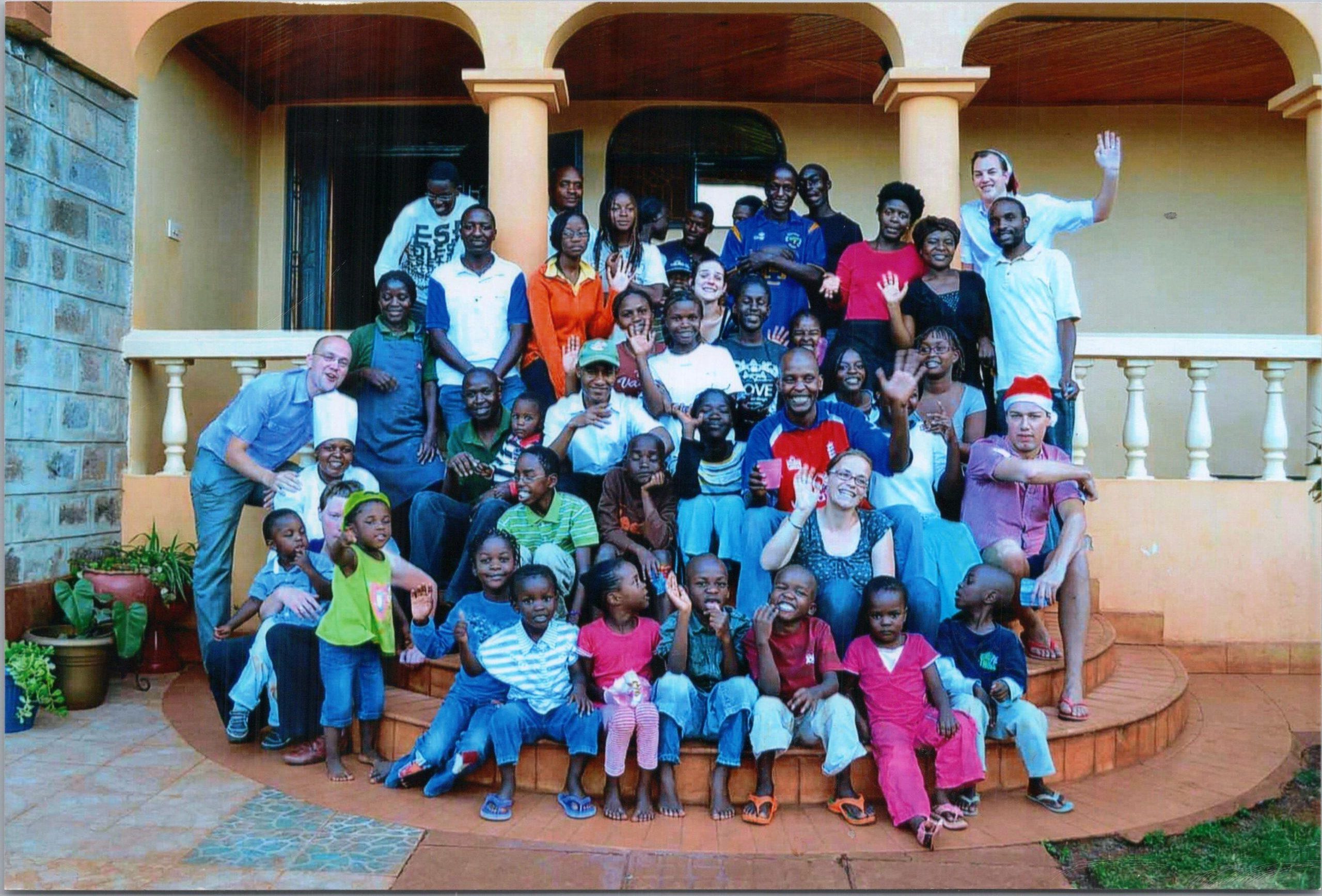
In January of 1999, we brought all the children home — about forty of them — to what is
now called Seeds in His Garden: a rental house that didn’t have enough rooms or enough
beds. It was difficult to pull together, but we did it. I had one vehicle. I ran for food,
loaded up the car, and figured out how to cook for everyone. There was no staff yet. Just
us.
That was the beginning of the journey.
Then, at the end of April 1999, on a trip into the game park with the girls after Easter, I
flipped the vehicle. It broke my clavicle and scapula, cut off my ear, damaged my facial
nerve, and left me with a concussion and cuts over my eyes. The hospital in Nairobi
didn’t have the equipment for further testing, so I came back to the States to recover —
where everyone said the same thing: “Surely, you’ve gotten the message. You shouldn’t
be there.”
My answer was this: God did not put these children in my heart because the road would
be smooth — because there would be no broken bones, no weak moments, no seasons of
struggle. And I certainly didn’t need both ears to hear the needs of others. Those are all
moments we all can get through.
I returned to Kenya after treatment, and my father, Rev. Wayne Adams, set off to share
the mission and invite others to take an interest in it. What began as a family operation
grew from a skeletal few into a global family — volunteers from all over the world, and
donors and sponsors who have remained faithful. From 1999 on, I lived full time with
the children — for the next twenty-five years — developing and building the home that
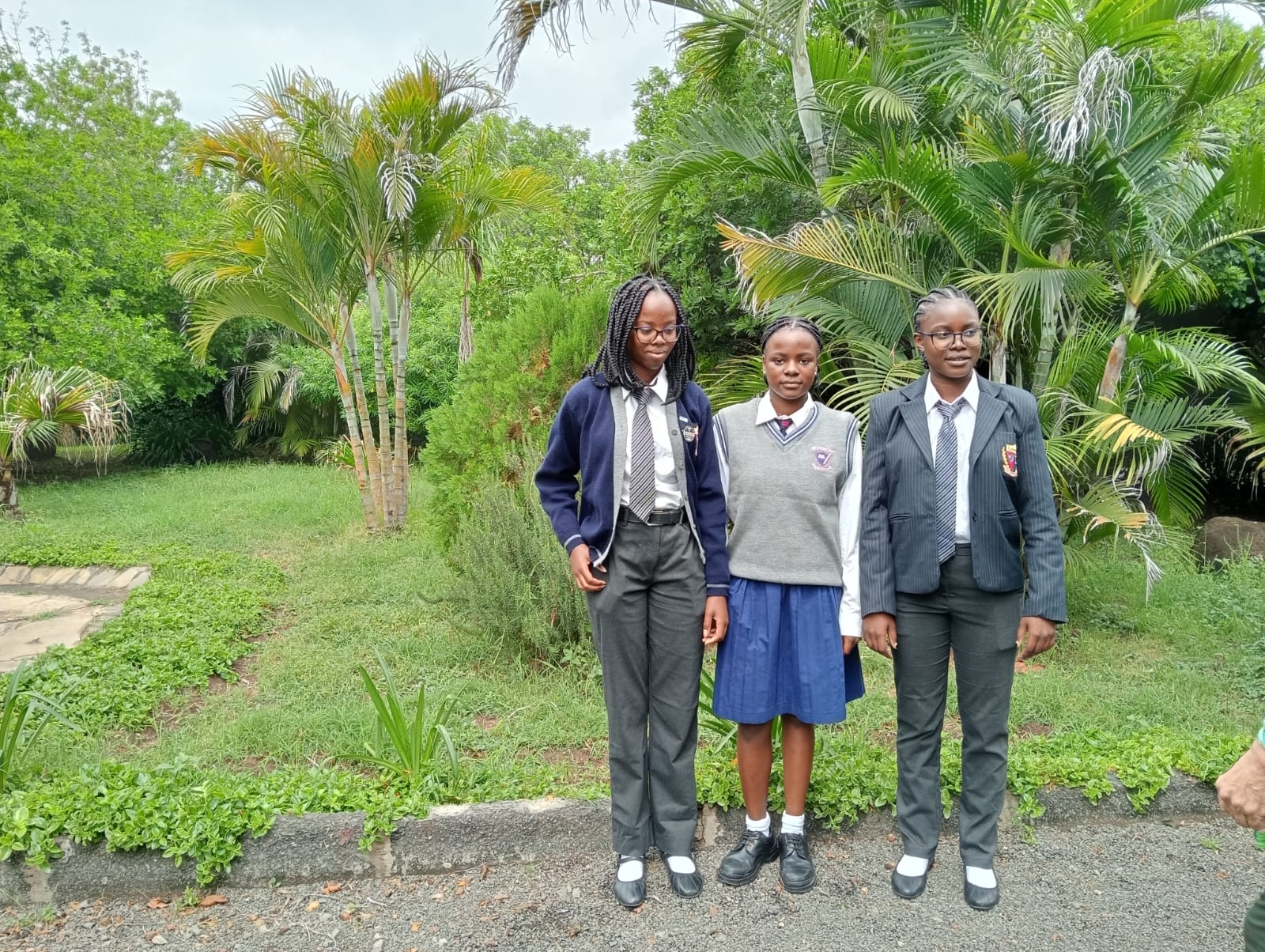
became Seeds in His Garden, with the children themselves leading the way to brighter
futures.